Waterproof Fiber Connector Buying Guide
Oct 05, 2026
How to Select the Right Waterproof Fiber Optic Connector for Marine, Aerospace, Defense and Industrial Applications
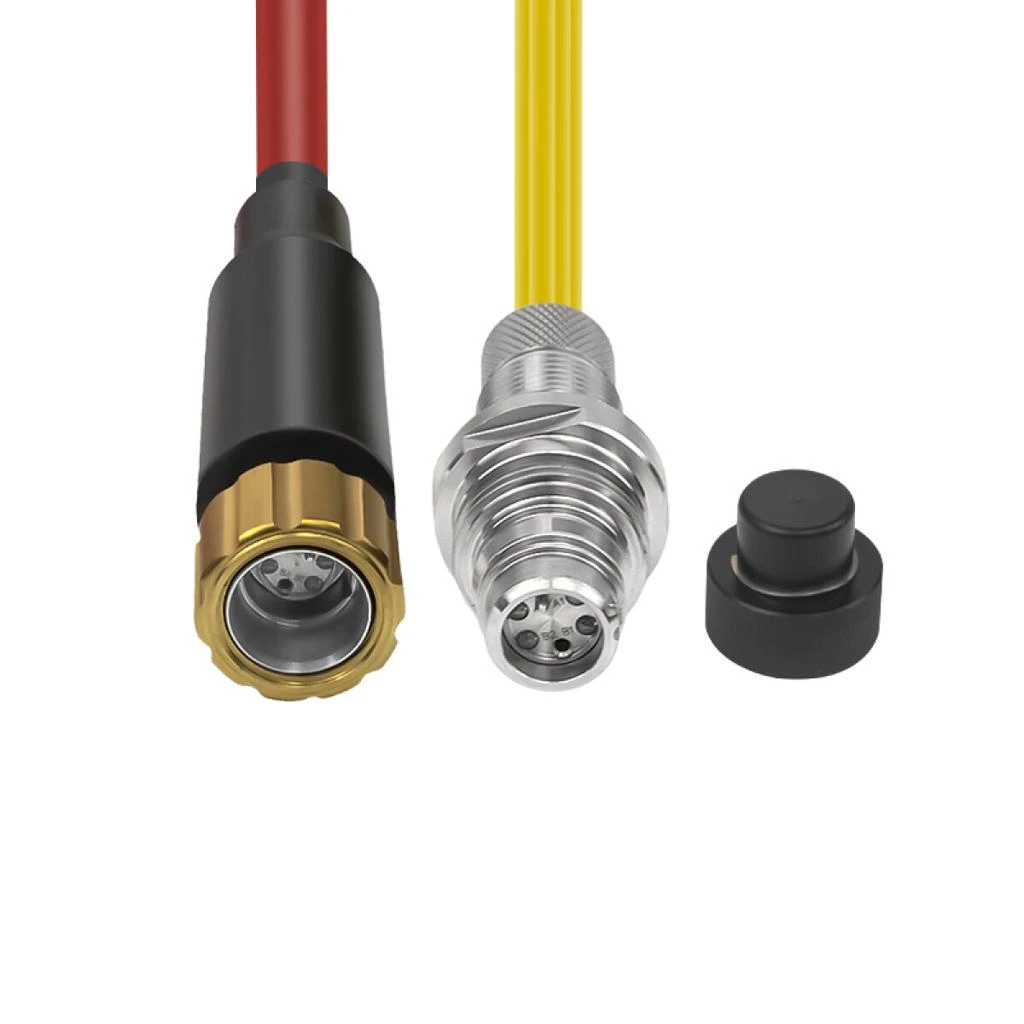
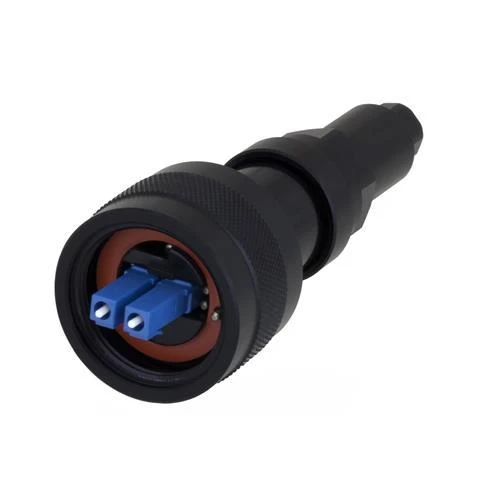
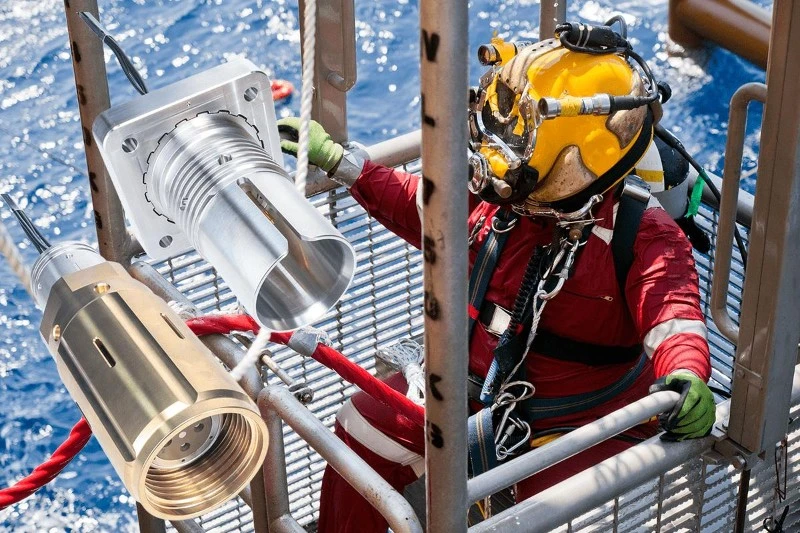
Waterproof Fiber Connector Buying Guide from Fiberlink Optoelectronic
Fiber optic communication systems are increasingly deployed beyond traditional indoor environments. Offshore platforms, ships, military equipment, outdoor communication networks, industrial automation systems and aerospace platforms all require optical connections that can maintain stable transmission under complex environmental conditions.
In these applications, a standard fiber optic connector is often unable to provide sufficient protection. Exposure to water, humidity, dust, vibration, salt spray and temperature changes can gradually affect optical performance and shorten service life.
A waterproof fiber connector is designed specifically to protect the optical interface and maintain reliable signal transmission in demanding environments. It combines optical precision with mechanical protection, sealing technology and environmental resistance.
Fiberlink Optoelectronic specializes in the design and manufacturing of waterproof fiber optic connectors, rugged fiber optic connectors, hybrid optical-electrical connectors and customized optoelectronic interconnection solutions for aerospace, defense, marine, industrial and other harsh environment applications.
Based on practical experience in high-reliability optical interconnection systems, Fiberlink provides this buying guide to help engineers, equipment manufacturers and procurement teams select the right waterproof fiber connector according to application requirements.
A waterproof connector is not simply a connector with a sealed housing. The complete solution involves:
- Waterproof structure design
- Optical alignment technology
- Material selection
- Mechanical protection
- Environmental testing
- Application-specific customization
1. What Is a Waterproof Fiber Connector?
A waterproof fiber connector is a specialized optical connector designed to maintain reliable fiber transmission when exposed to moisture, water immersion or harsh outdoor conditions.
Unlike standard fiber connectors used in data centers or indoor communication systems, waterproof fiber connectors integrate additional protection features:
- Sealed connector housing
- Waterproof sealing rings
- Corrosion-resistant materials
- Rugged locking structures
- Environmental protection design
The main purpose is to prevent:
- Water penetration
- Dust contamination
- Optical end-face damage
- Corrosion
- Signal degradation
A typical waterproof fiber connection system includes:
Optical Equipment → Fiber Cable → Waterproof Connector → External Equipment
The connector must protect the optical path while maintaining:
- Low insertion loss
- Stable alignment
- Mechanical reliability
For harsh environment applications, waterproof performance is only one part of connector selection. Engineers must also evaluate vibration resistance, temperature capability, mating cycles and optical requirements.
2. Why Are Waterproof Fiber Connectors Required?
Outdoor and Marine Environments
Many communication systems operate in environments where water exposure is unavoidable.
Typical applications include:
- Offshore oil and gas platforms
- Ship communication systems
- Underwater monitoring equipment
- Coastal communication networks
These environments involve:
- Saltwater spray
- High humidity
- Rain exposure
- Long-term outdoor operation
Without proper waterproof protection, moisture can enter the connector interface and cause:
- Fiber contamination
- Increased optical loss
- Connector corrosion
- Communication interruption
Marine and underwater connectors require additional protection against corrosion, pressure and long-term exposure to seawater.
3. Key Factors When Selecting a Waterproof Fiber Connector
Waterproof Protection Level
The first factor to evaluate is environmental protection capability.
Waterproof connectors are commonly evaluated by IP protection ratings.
For example:
IP67
Provides:
- Complete dust protection
- Protection against temporary water immersion
IP68
Provides:
- Complete dust protection
- Protection against continuous immersion under defined conditions
The required protection level depends on the actual operating environment.
For example:
|
Application |
Recommended Protection Consideration |
|
Outdoor communication |
Weather and rain resistance |
|
Industrial equipment |
Dust and moisture protection |
|
Marine equipment |
Saltwater and corrosion resistance |
|
Underwater systems |
Pressure and immersion requirements |
A higher IP rating does not automatically mean a better connector. The connector must match the actual application conditions, including water pressure, exposure time and maintenance requirements.
Connector Structure and Sealing Design
The waterproof performance of a fiber connector depends heavily on structural design.
A reliable waterproof connector usually includes:
Sealing System
Including:
- O-rings
- Sealing gaskets
- Potting materials
- Protective interfaces
The sealing structure prevents external moisture from reaching the optical components.
Rugged Outer Housing
The connector shell provides:
- Mechanical protection
- Impact resistance
- Environmental shielding
Common materials include:
- Stainless steel
- Aluminum alloy
- Special engineering plastics
For marine and defense applications, material selection is especially important because saltwater and chemical exposure can accelerate corrosion.
Optical Performance Requirements
Waterproof protection should not compromise optical performance.
Important optical parameters include:
Insertion Loss (IL)
Insertion loss indicates how much optical power is lost through the connector.
Lower insertion loss helps maintain:
- Longer transmission distance
- Better signal quality
- Higher system reliability
Return Loss (RL)
Return loss measures reflected optical power.
Higher return loss is important for systems sensitive to reflection.
Applications include:
- High-speed communication
- Precision optical systems
- Laser-related equipment
Fiber Type Compatibility
Before selecting a connector, confirm:
- Single-mode fiber compatibility
- Multimode fiber compatibility
- Special fiber requirements
Fiberlink supports customized fiber configurations according to system requirements.
Mechanical Strength and Vibration Resistance
Waterproof connectors are often installed in moving or vibrating equipment.
Typical applications include:
- Ships
- Military vehicles
- Industrial robots
- Offshore platforms
Mechanical stress may affect:
- Connector locking
- Fiber alignment
- Optical stability
A suitable waterproof connector should provide:
- Secure mating mechanism
- Anti-loosening structure
- High mechanical strength
Fiberlink designs rugged optical connectors with mechanical structures optimized for vibration resistance and long-term operation.
Temperature Resistance
Many waterproof connectors operate in environments with significant temperature variation.
Examples:
- Offshore equipment exposed to weather changes
- Aerospace systems
- Industrial machines
Temperature changes may influence:
- Housing materials
- Sealing performance
- Optical alignment
When selecting a connector, consider:
- Operating temperature range
- Storage temperature range
- Thermal cycling performance
4. Different Types of Waterproof Fiber Connectors
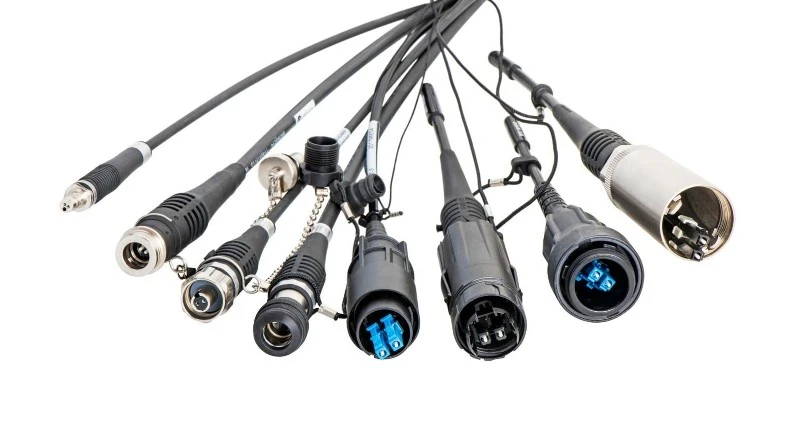
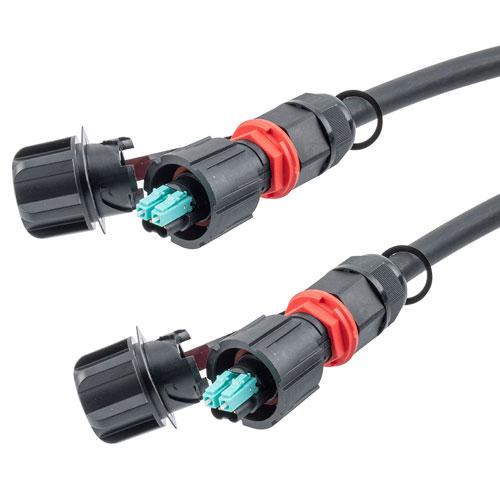
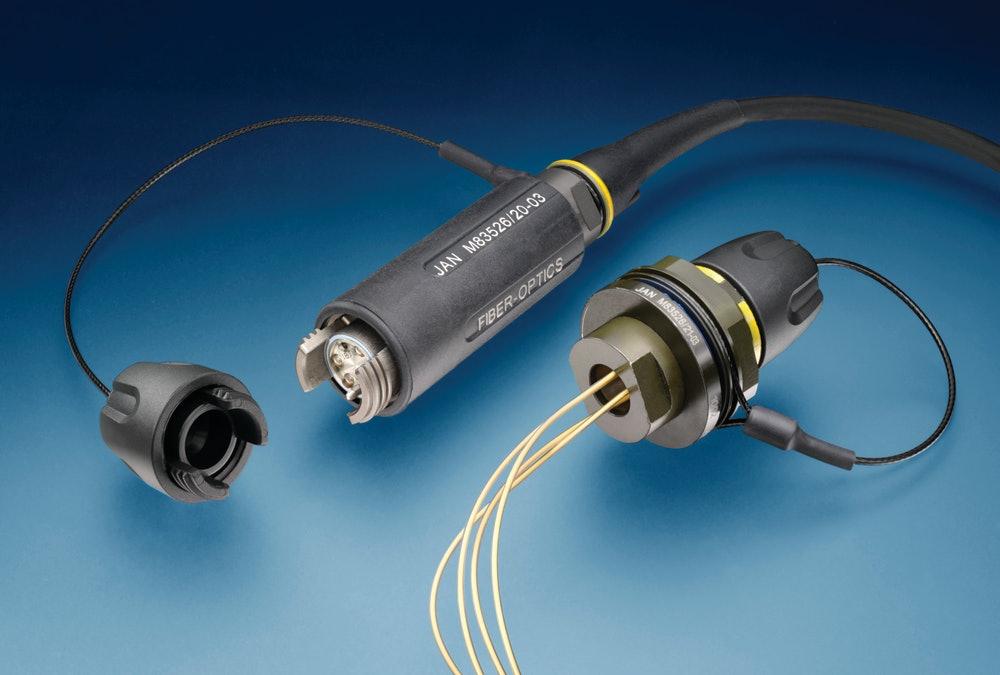
Waterproof Single Fiber Connectors
Designed for:
- Basic optical transmission
- Sensor systems
- Communication equipment
Advantages:
- Compact structure
- Simple installation
- Cost-effective
Multi-Fiber Waterproof Connectors
Used when systems require multiple optical channels.
Applications:
- Data communication systems
- Defense networks
- Industrial control systems
Advantages:
- Higher transmission capacity
- Reduced cable quantity
- Easier system integration
Waterproof Hybrid Optical-Electrical Connectors
Some applications require both:
- Optical data transmission
- Electrical power transmission
Examples:
- Marine equipment
- Offshore monitoring systems
- Remote industrial devices
Hybrid connectors integrate both functions into one interface, reducing installation complexity.
Fiberlink provides customized optical-electrical hybrid connector solutions for applications requiring compact and reliable integration.
5. Waterproof Fiber Connector Applications
Offshore Platform Communication
Offshore platforms require communication systems that operate continuously under marine conditions.
Applications include:
- Remote monitoring
- Control systems
- Safety networks
- Data transmission
Fiberlink waterproof fiber connectors support offshore communication systems requiring:
- Moisture protection
- Corrosion resistance
- Long-term reliability
Ship Communication Systems
Modern ships rely on optical communication for:
- Navigation systems
- Engine monitoring
- Vessel automation
- Communication networks
Marine fiber connectors must withstand:
- Vibration
- Humidity
- Saltwater exposure
Fiberlink provides rugged waterproof optical solutions for shipboard applications.
Military and Defense Equipment
Defense systems often operate in extreme environments.
Applications include:
- Tactical communication
- Ground vehicles
- Field equipment
- Naval systems
Requirements include:
- Waterproof protection
- Shock resistance
- EMI immunity
- Reliable optical transmission
Industrial Automation Equipment
Industrial environments may include:
- Water exposure
- Oil contamination
- Dust
- Mechanical movement
Waterproof fiber connectors help maintain communication reliability in:
- Manufacturing systems
- Robotics
- Automated equipment
6. Waterproof Fiber Connector Selection Checklist
Before purchasing a waterproof fiber connector, consider:
Application Environment
Questions:
- Will the connector be indoors or outdoors?
- Is it exposed to water or saltwater?
- Is underwater operation required?
Mechanical Conditions
Check:
- Vibration level
- Shock requirements
- Installation space
Optical Requirements
Confirm:
- Fiber type
- Number of channels
- Transmission distance
- Optical loss requirement
Connector Operation
Consider:
- Permanent installation or frequent connection?
- Required mating cycles?
- Field maintenance requirements?
Customization Needs
Determine whether you require:
- Special connector dimensions
- Customized cable assembly
- Hybrid optical-electrical design
7. Fiberlink Waterproof Fiber Connector Solutions
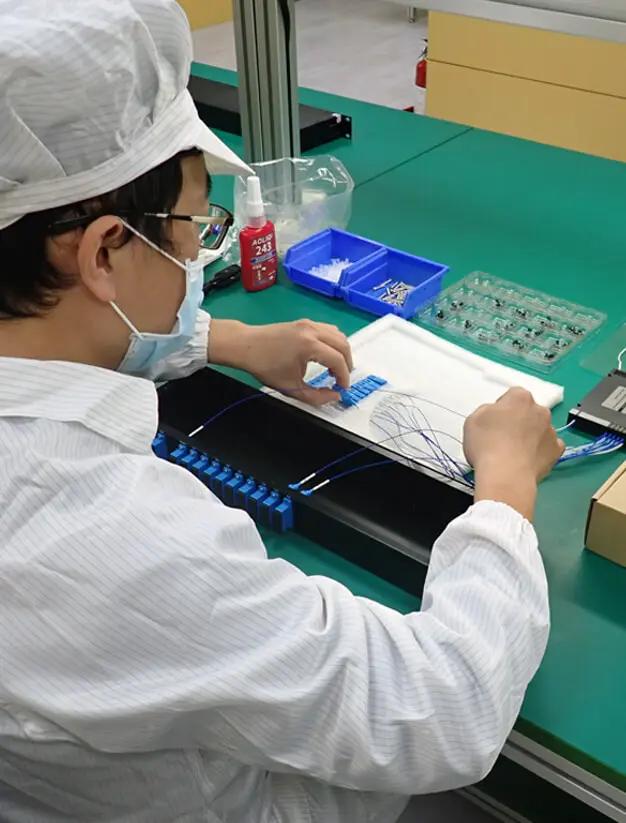
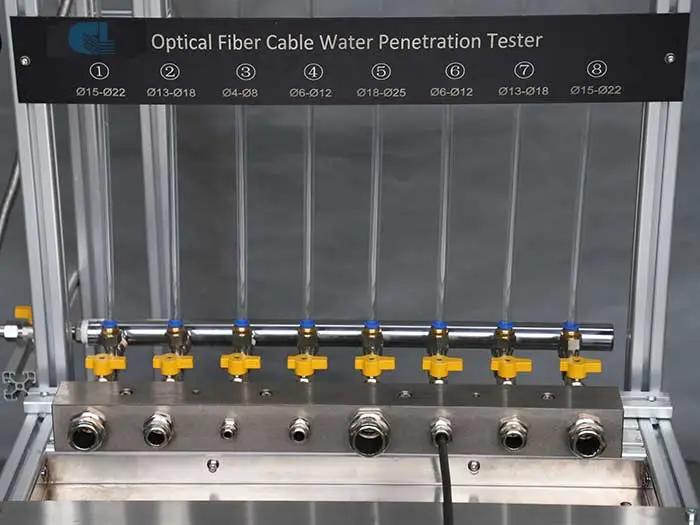
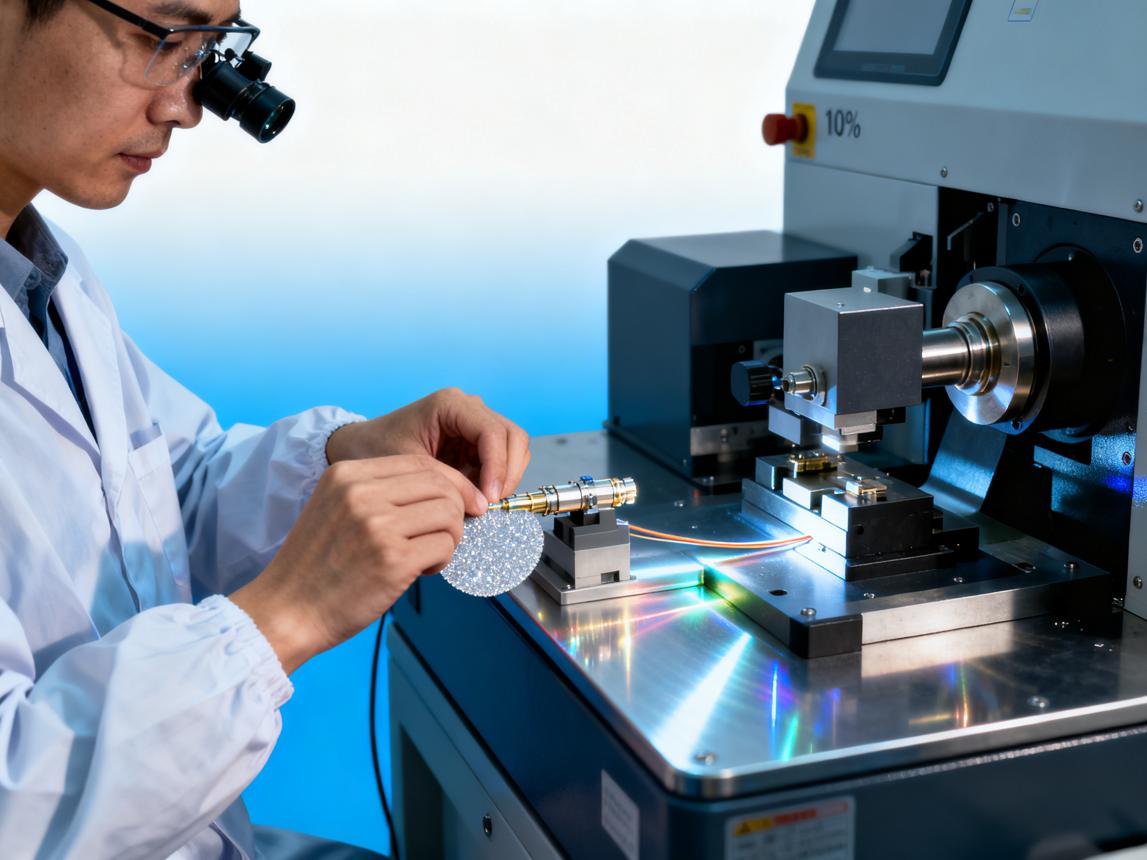
Fiberlink Optoelectronic develops waterproof fiber optic solutions for customers requiring reliable optical connections in demanding environments.
Our solutions include:
Waterproof Fiber Optic Connector Assembly
Applications:
- Marine communication
- Outdoor systems
- Industrial equipment
Features:
- Environmental sealing
- Rugged structure
- Stable optical performance
J599 Waterproof Fiber Connector Assembly
Designed for:
- Aerospace
- Defense
- Harsh environment applications
Features:
- Rugged circular design
- Vibration resistance
- Reliable locking structure
Hybrid Optical-Electrical Connector
Suitable for:
- Marine systems
- Remote equipment
- Integrated communication systems
Features:
- Optical transmission
- Power connection
- Customized configuration
8. Why Choose Fiberlink Optoelectronic?
Customized Engineering Capability
Different applications require different connector solutions.
Fiberlink supports:
- Connector structure customization
- Fiber configuration selection
- Cable assembly development
- Application-specific design
High Reliability Manufacturing
Fiberlink controls quality throughout:
- Material inspection
- Precision machining
- Optical assembly
- Performance testing
Harsh Environment Application Experience
Fiberlink solutions are designed for industries including:
- Aerospace
- Defense
- Marine
- Industrial
- Medical
Waterproof Fiber Connector FAQ
What is the difference between a standard fiber connector and a waterproof fiber connector?
A waterproof fiber connector adds environmental protection structures to prevent water, dust and contamination while maintaining optical transmission performance.
Are waterproof fiber connectors suitable for marine applications?
Yes. Waterproof fiber connectors are widely used in ships, offshore platforms and marine monitoring systems requiring protection against moisture and corrosion.
What IP rating should I choose for outdoor applications?
The required IP rating depends on the environment. Outdoor and marine applications often require higher protection levels than indoor installations.
Can Fiberlink customize waterproof fiber connectors?
Yes. Fiberlink provides customized waterproof optical connectors based on application requirements, including connector structure, fiber configuration and environmental protection needs.