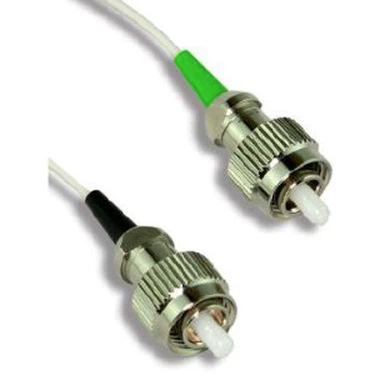
What Is a High Power Fiber Connector?
Oct 06, 2026
High-Reliability Optical Energy Transmission Solutions for Industrial Laser Applications by Fiberlink Optoelectronic
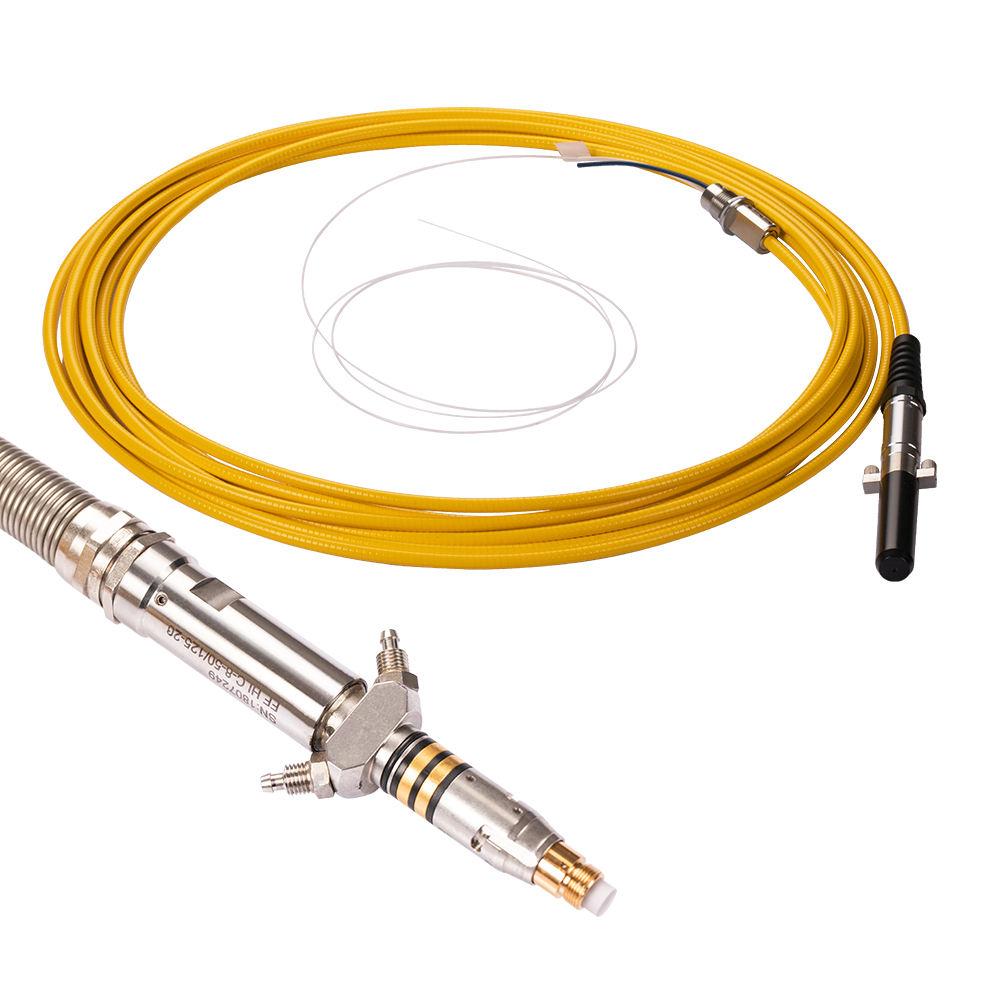
Understanding High Power Fiber Connectors
In modern laser manufacturing, optical energy transmission has become a critical part of industrial processing systems. Fiber lasers are widely used in laser welding, laser cutting, additive manufacturing, laser marking, medical laser equipment and precision processing systems because of their high efficiency, flexible beam delivery and excellent processing accuracy.
However, transmitting hundreds or thousands of watts of laser energy through an optical fiber is significantly different from transmitting low-power communication signals. The optical connector at the end of the fiber becomes one of the most important components affecting system stability.
A standard communication fiber connector is designed mainly for signal transmission. It focuses on low insertion loss and reliable data communication. A high power fiber connector, by contrast, must manage concentrated optical energy, thermal effects, back reflection and mechanical stress while maintaining stable coupling performance.
Fiberlink Optoelectronic specializes in the development and manufacturing of high power fiber connectors, laser energy transmission connectors and customized optical interconnection solutions for industrial laser systems. Based on precision optical manufacturing technology and application experience in demanding environments, Fiberlink provides reliable connection solutions for laser welding equipment, laser cutting machines, additive manufacturing systems and other high-power optical applications.
What Is a High Power Fiber Connector?
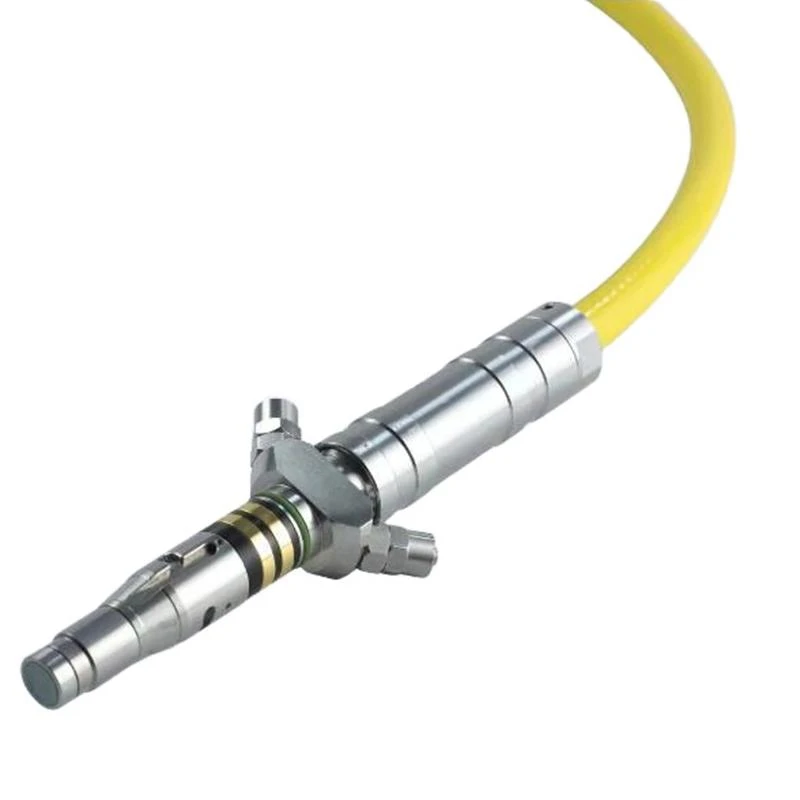
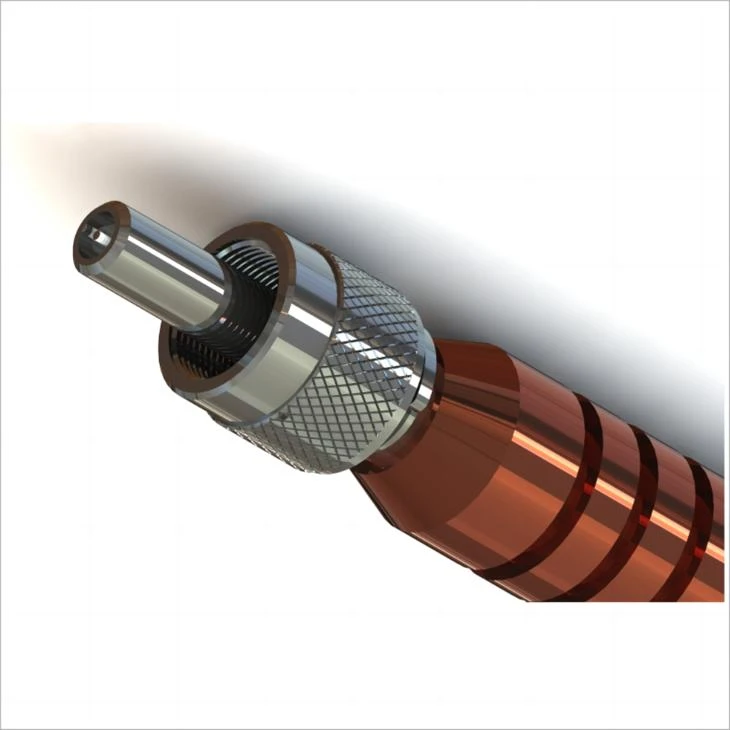
A High Power Fiber Connector is a specialized optical connector designed to transmit high-energy laser light through optical fibers while reducing optical loss, thermal damage and connection instability.
Unlike standard fiber connectors used in telecommunications, high power fiber connectors are engineered to handle:
- High optical power density
- Large-core energy fibers
- Heat generation at the optical interface
- Laser reflection
- Continuous industrial operation
The connector provides a mechanical and optical interface between:
Laser Source → Fiber Cable → High Power Fiber Connector → Processing Head
The quality of this connection directly influences:
- Laser output stability
- Processing accuracy
- Equipment uptime
- Maintenance frequency
In industrial laser systems, connector failure can cause:
- Reduced laser efficiency
- Uneven welding quality
- Cutting defects
- Production interruption
Therefore, high power fiber connectors are not simply connection components. They are key optical energy transmission modules.
Why Are High Power Fiber Connectors Needed?
Limitations of Standard Fiber Connectors
Traditional optical connectors such as LC, SC or standard FC connectors are mainly designed for communication applications.
They normally handle relatively low optical power levels.
When exposed to high-power laser energy, several problems may occur:
1. Thermal Damage
High optical power concentrated on a small fiber end face can generate excessive heat.
Possible consequences include:
- Fiber coating damage
- Connector deformation
- Reduced optical performance
2. Optical Surface Damage
Any contamination, scratches or microscopic defects on the fiber end face can absorb laser energy and create localized heating.
This may result in:
- Burning
- Carbonization
- Permanent connector damage
3. Increased Insertion Loss
High-power systems require extremely stable optical coupling.
Small alignment errors can cause:
- Beam distortion
- Energy loss
- Reduced processing efficiency
High power connectors use specialized structures to control these issues.
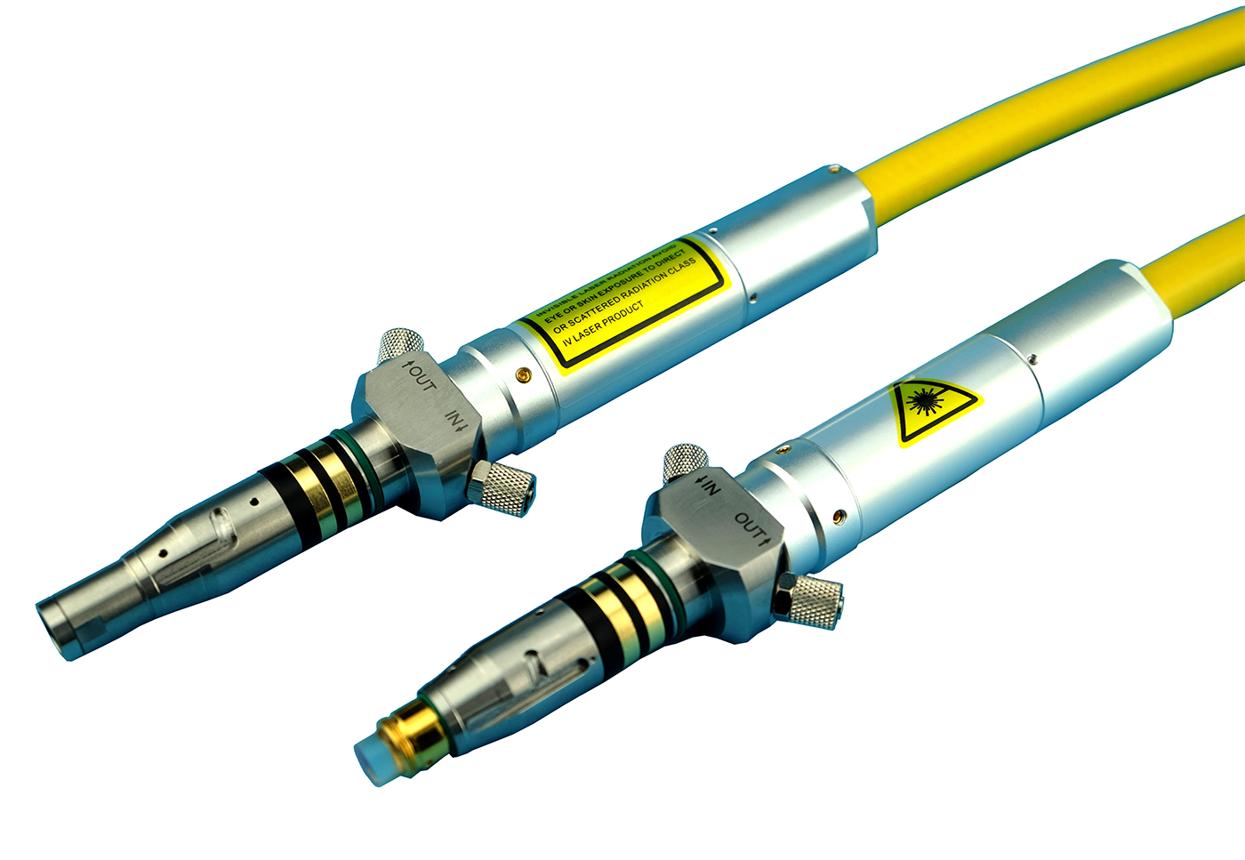
Key Technologies Behind High Power Fiber Connectors
1. Large Core Energy Fiber Design
High-power laser transmission usually requires larger core diameter fibers compared with communication fibers.
Large-core fibers help reduce optical power density at the fiber interface.
Fiberlink high power fiber connector solutions support different energy transmission fibers according to application requirements, including large-core fibers used in industrial laser systems.
Typical applications include:
- Fiber laser welding
- Metal cutting
- Laser cladding
- Additive manufacturing
2. Precision Fiber Alignment
Optical alignment is one of the most important factors affecting high-power transmission.
The connector must maintain accurate positioning between:
- Laser source
- Fiber core
- Connector ferrule
- Processing head
Fiberlink applies precision manufacturing processes to achieve:
- Stable fiber positioning
- Low insertion loss
- High repeatability
- Reliable optical coupling
In high-power laser applications, even small alignment deviations may influence energy distribution and processing quality.
3. Thermal Management Design
High optical power creates heat at the connector interface.
A high-quality high power fiber connector requires effective heat management.
Fiberlink designs high-power connectors with considerations including:
- Metal connector housing
- Heat-resistant materials
- Optimized mechanical structure
- Improved thermal dissipation
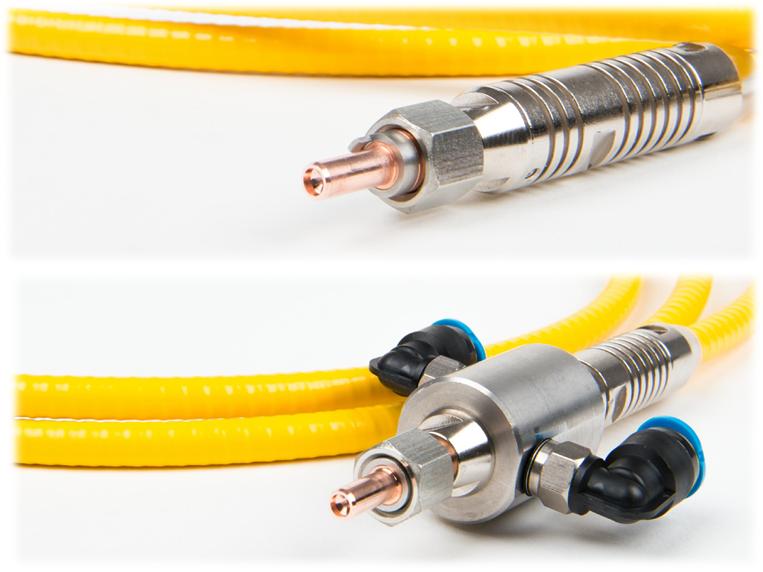
For example, Fiberlink D80 high power fiber connectors use metal structures and high-temperature-resistant materials, supporting stable operation in demanding industrial environments.
4. Air Gap Protection Technology
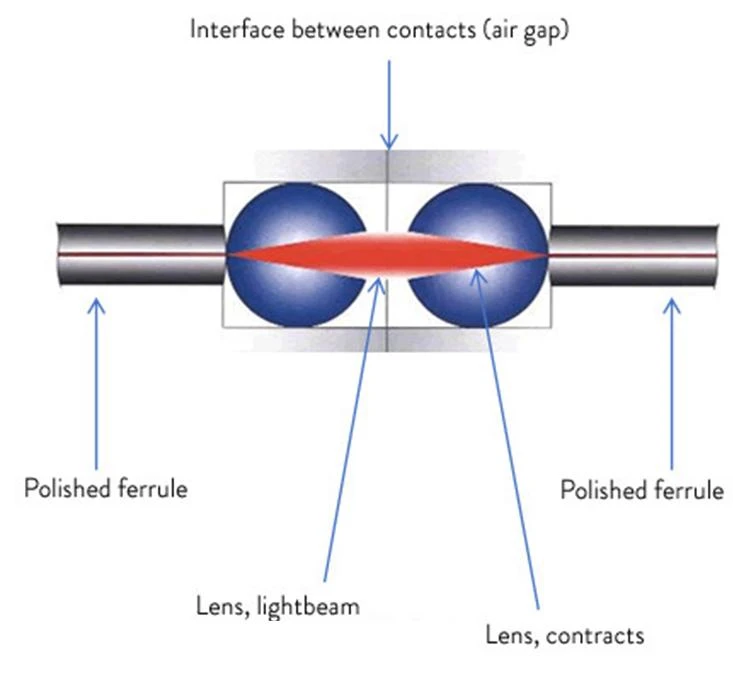
One common design approach in high-power connectors is maintaining a controlled air gap between optical surfaces.
The purpose is to reduce:
- Fiber end-face damage
- Reflection-related heating
- Optical contamination impact
High-power connector designs often use specialized ferrule structures to improve power handling capability.
5. Rugged Mechanical Structure
Industrial laser systems operate in challenging environments.
Equipment may experience:
- Machine vibration
- Robot movement
- Temperature variation
- Continuous production cycles
Fiberlink high-power connectors are designed with:
- Strong metal housings
- Secure locking structures
- Mechanical durability
This ensures stable optical performance during long-term operation.
Applications of High Power Fiber Connectors
1. Laser Welding Systems
Laser welding has become an essential manufacturing technology in:
- Automotive production
- EV battery manufacturing
- Aerospace components
- Precision metal fabrication
A stable laser energy transmission path is required to maintain:
- Welding consistency
- Penetration depth
- Production efficiency
Fiberlink high power fiber connectors support laser welding systems requiring reliable energy delivery.
Typical applications:
- Battery tray welding
- Motor component welding
- Automotive body welding
- Metal joining processes
2. Laser Cutting Equipment
Fiber laser cutting machines require efficient transmission of laser energy from the source to the cutting head.
Applications include:
- Stainless steel cutting
- Aluminum processing
- Sheet metal fabrication
- Industrial manufacturing
High power connectors help maintain:
- Stable beam transmission
- High cutting accuracy
- Long equipment operation time
3. Additive Manufacturing
Laser-based additive manufacturing relies on precise energy control.
Applications include:
- Aerospace metal printing
- Medical implants
- Industrial prototypes
The connector must support:
- Stable laser output
- Repeatable processing
- Long-term operation
Fiberlink provides customized optical connection solutions for additive manufacturing equipment manufacturers.
4. Medical Laser Equipment
Medical laser systems require precise and reliable optical delivery.
Applications include:
- Surgical laser systems
- Dermatology equipment
- Ophthalmology devices
High power fiber connectors help deliver controlled laser energy while maintaining system reliability.
Types of High Power Fiber Connectors
D80 High Power Fiber Connector
The D80 connector is designed for high-energy fiber transmission applications.
Typical features:
- Large-core energy fiber compatibility
- Metal structure
- High temperature resistance
- Stable power transmission
Fiberlink D80 solutions support applications requiring high-power laser transmission and can be customized according to system requirements.
SMA905 High Power Fiber Connector
SMA905 is widely used in industrial, medical and scientific optical systems.
Advantages:
- Rugged metal structure
- Good mechanical strength
- Wide application compatibility
Applications:
- Laser delivery systems
- Spectroscopy
- Industrial equipment
- Medical laser devices
FC High Power Fiber Connector
FC-type high-power connectors provide:
- Threaded locking
- Stable connection
- Good repeatability
Suitable for:
- Laboratory laser systems
- Industrial optical equipment
- Precision measurement systems
How to Select a High Power Fiber Connector?
Choosing a high-power fiber connector requires evaluation of several factors.
1. Laser Power Level
Consider:
- Continuous power
- Peak power
- Pulse energy
Higher power requires stronger thermal management capability.
2. Fiber Type
Important parameters include:
- Core diameter
- Numerical aperture
- Fiber material
Different laser systems require different energy fibers.
3. Operating Environment
Evaluate:
- Temperature range
- Vibration conditions
- Dust exposure
- Installation environment
Industrial production environments often require ruggedized connector designs.
4. Connector Interface Compatibility
Consider compatibility with:
- Laser source
- Fiber cable
- Processing head
Common interfaces include:
- SMA905
- FC
- D80
- Customized interfaces
Fiberlink Optoelectronic High Power Fiber Connector Solutions
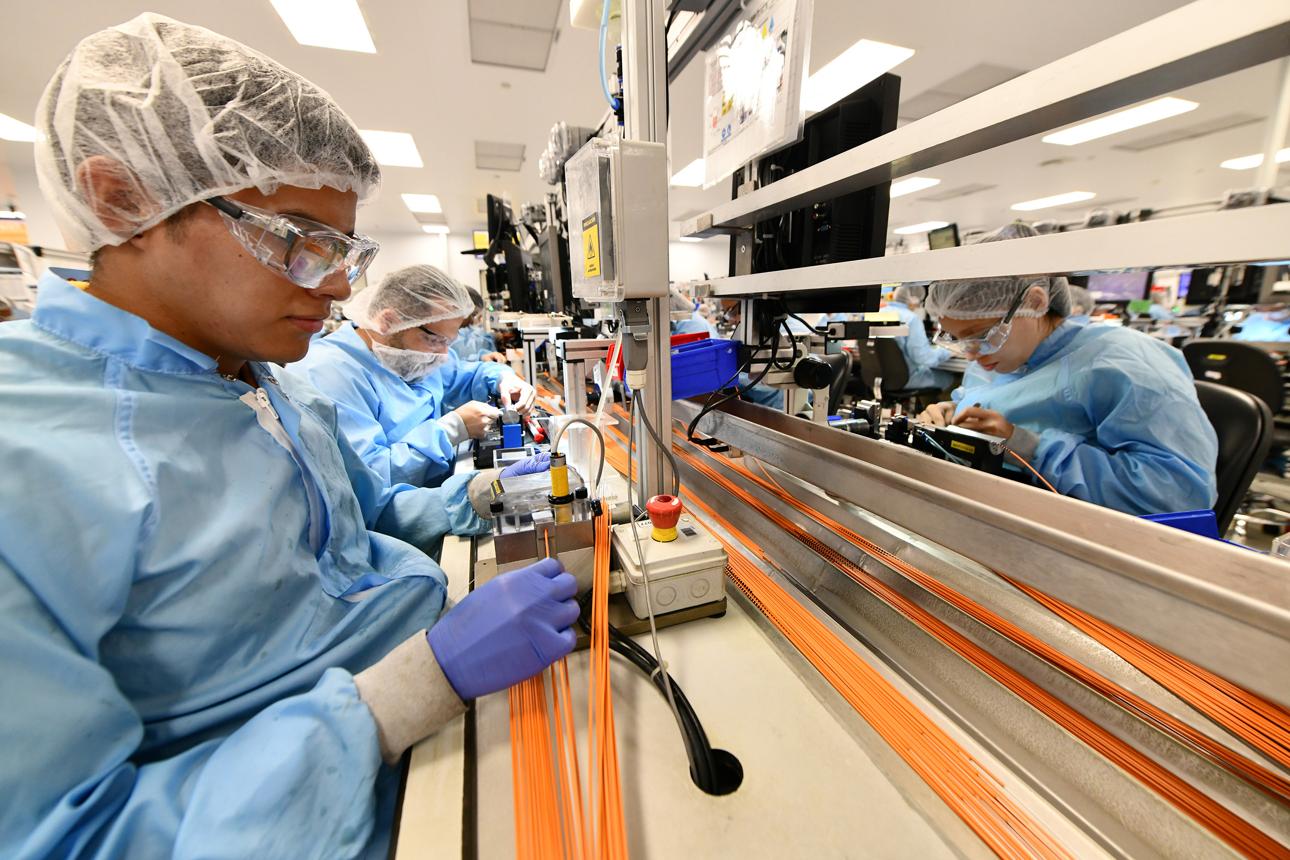
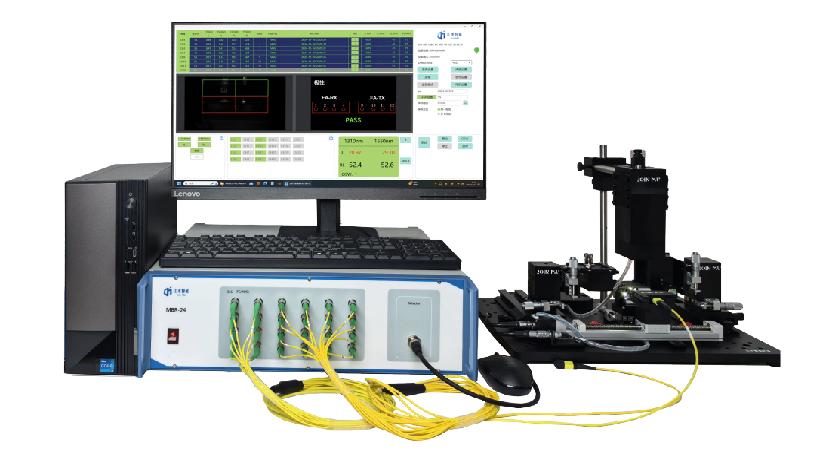
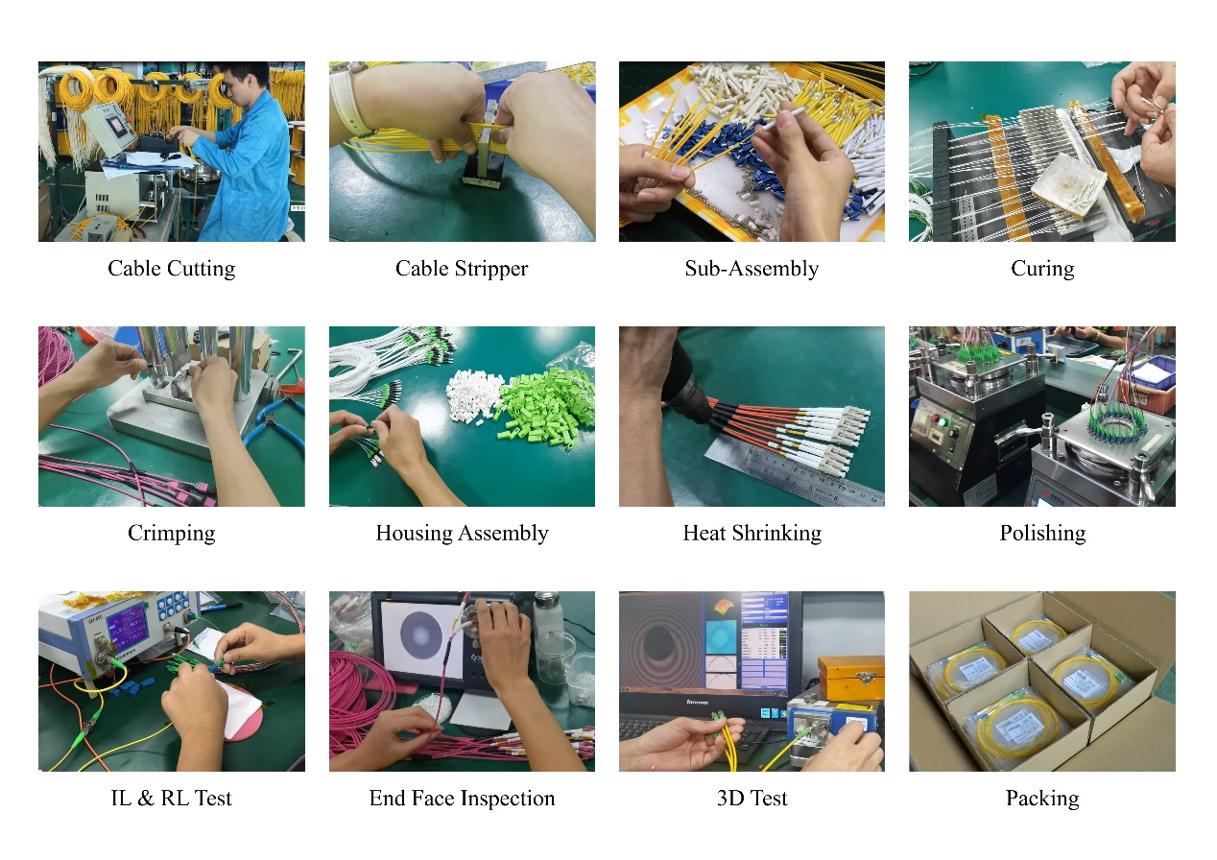
Fiberlink focuses on providing customized optical energy transmission solutions for customers requiring high reliability.
Our high power fiber connector solutions include:
Product Design Capability
Supporting:
- Connector structure development
- Optical interface customization
- Fiber configuration selection
Manufacturing Capability
Processes include:
- Precision machining
- Fiber assembly
- Optical polishing
- Performance inspection
Application Engineering Support
Fiberlink works with customers to select suitable solutions according to:
- Laser power
- Equipment structure
- Operating environment
- Transmission requirements
Quality Control for High Power Fiber Connectors
High-power optical components require strict quality management.
Fiberlink controls quality through:
Optical Performance Testing
Including:
- Insertion loss testing
- Optical transmission evaluation
- Alignment inspection
Mechanical Testing
Including:
- Connector durability
- Tensile strength
- Connection stability
Environmental Testing
Including:
- Temperature testing
- Protection testing
- Long-term reliability evaluation
Frequently Asked Questions
What is the difference between a high power fiber connector and a standard fiber connector?
A high power fiber connector is designed for laser energy transmission and must handle higher optical power, thermal effects and mechanical requirements.
How much power can a high power fiber connector handle?
The power capability depends on fiber type, connector design and cooling conditions. Fiberlink D80 solutions can support high-power laser transmission applications up to hundreds of watts depending on configuration.
Where are high power fiber connectors used?
They are widely used in:
Laser welding
Laser cutting
Additive manufacturing
Medical laser systems
Scientific instruments
Can Fiberlink customize high power fiber connectors?
Yes. Fiberlink provides customized connector solutions based on laser system requirements, including fiber type, connector structure and application environment.