PM Fiber Connector Selection Guide
Oct 04, 2026
How to Choose the Right Polarization Maintaining Fiber Connector for Precision Optical Applications
A Technical Guide from Fiberlink Optoelectronic
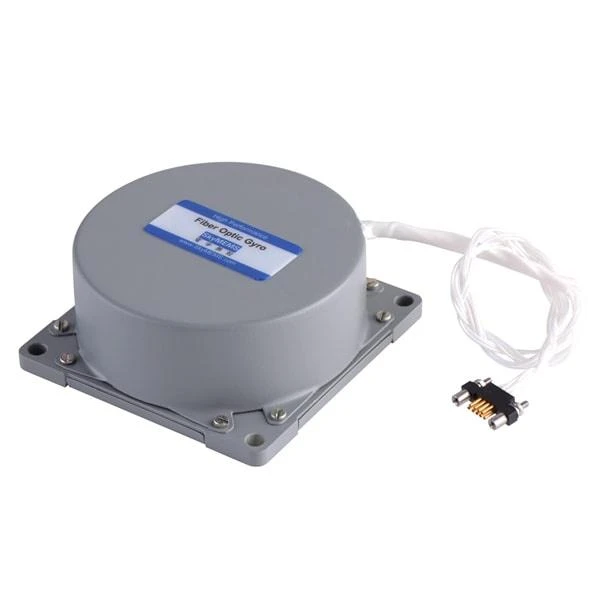
Understanding PM Fiber Connectors: Selection Principles for High-Precision Optical Systems
In many optical systems, transmitting light from point A to point B is not enough. The polarization state of the light itself can determine whether the system performs accurately or fails to meet its design requirements.
Applications such as fiber optic gyroscopes (FOG), interferometric sensors, coherent communication systems, quantum optical equipment, fiber lasers and precision measurement instruments rely on maintaining a stable polarization state throughout the optical path.
In these systems, a standard fiber connector may provide acceptable optical coupling, but it cannot guarantee polarization stability. Even small mechanical movement, temperature variation or fiber stress can change the polarization state and affect system accuracy.
A Polarization Maintaining Fiber Connector (PM Fiber Connector) is designed specifically for these applications. It combines polarization-maintaining fiber technology with precision connector alignment structures to preserve the optical axis orientation during transmission.
Fiberlink Optoelectronic specializes in the development and manufacturing of specialty fiber optic connectors, polarization maintaining fiber connectors, optical interconnection assemblies and customized optoelectronic components for aerospace, defense, industrial, medical and precision sensing applications.
From connector design, fiber axis alignment to optical performance testing, Fiberlink provides customized PM fiber connector solutions for customers requiring high stability and repeatable optical performance.
1. What Is a PM Fiber Connector?
A PM fiber connector is a specialized optical connector designed to maintain the polarization direction of light transmitted through polarization-maintaining fiber.
Unlike conventional single-mode fiber, which allows polarization to change due to external stress and environmental conditions, PM fiber contains a built-in birefringence structure that separates two polarization axes.
The two main polarization axes are:
- Fast axis
- Slow axis
When polarized light enters the correct axis of PM fiber, the polarization state remains stable during transmission.
The connector plays a critical role because the fiber axis must be precisely aligned with the connector key or ferrule orientation.
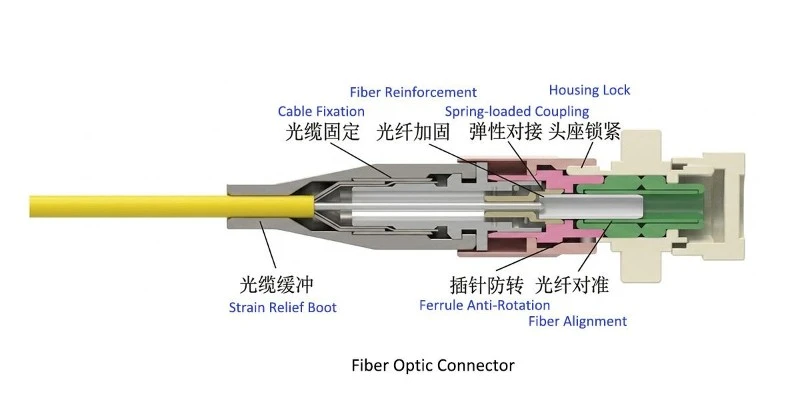
A PM fiber connector typically consists of:
Connector Housing
↓
Precision Ferrule
↓
Polarization Maintaining Fiber
↓
Key Alignment Structure
↓
Optical Interface
The purpose of the connector is not only to connect fibers but also to preserve the angular relationship between the fiber polarization axis and the external optical system.
2. Why Do Optical Systems Need PM Fiber Connectors?
Standard Fiber Connectors Cannot Maintain Polarization
Traditional optical connectors such as LC, SC or standard FC connectors are designed mainly for:
- Data transmission
- Telecommunication systems
- General optical connections
Their primary performance indicators include:
- Low insertion loss
- Mechanical compatibility
- Connection reliability
However, they do not control the rotational orientation of the fiber core.
For polarization-sensitive applications, this creates problems.
A small rotation between two connected fibers can cause:
- Polarization extinction ratio reduction
- Phase instability
- Measurement errors
- System performance degradation
3. Applications Requiring PM Fiber Connectors
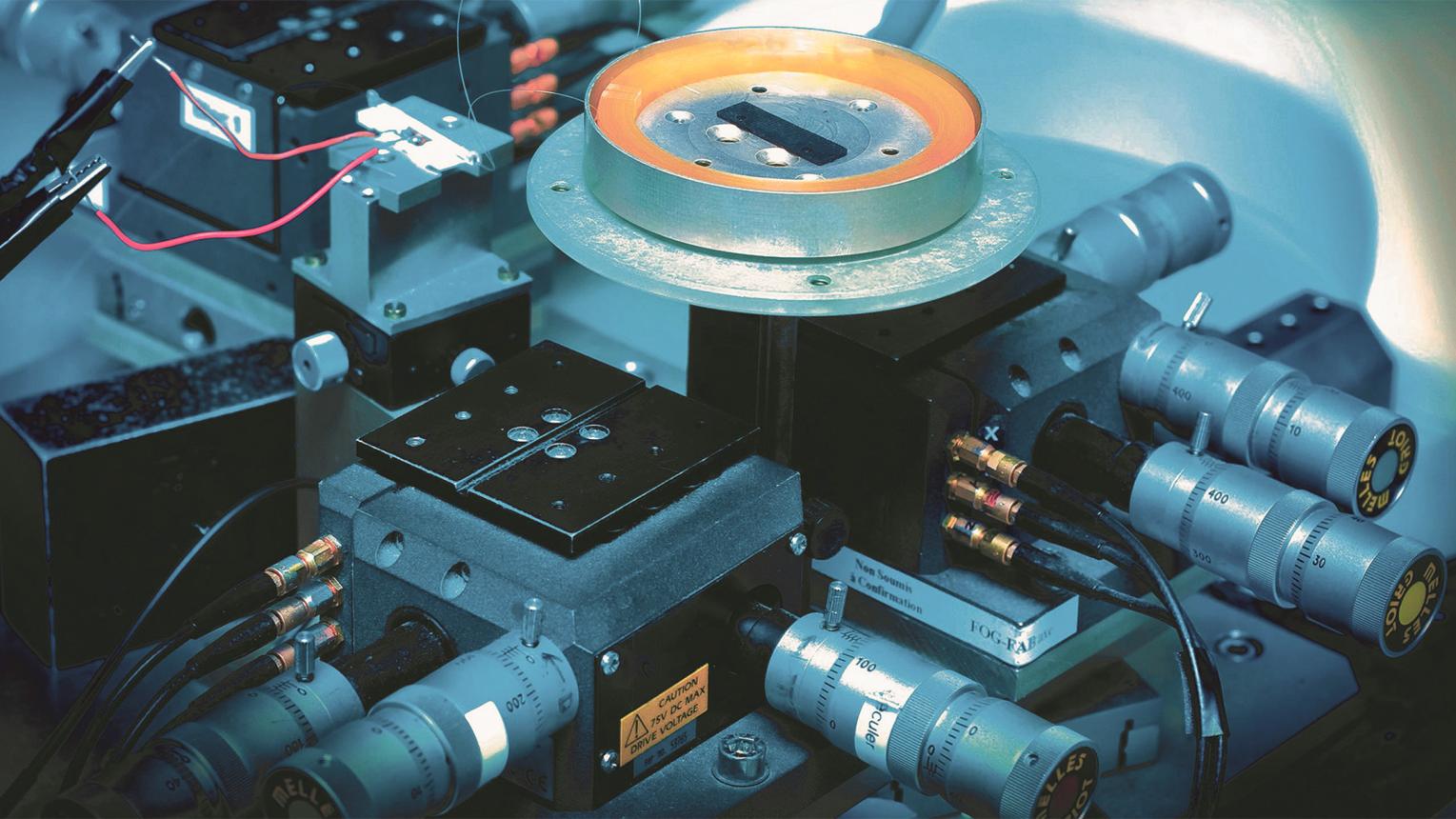
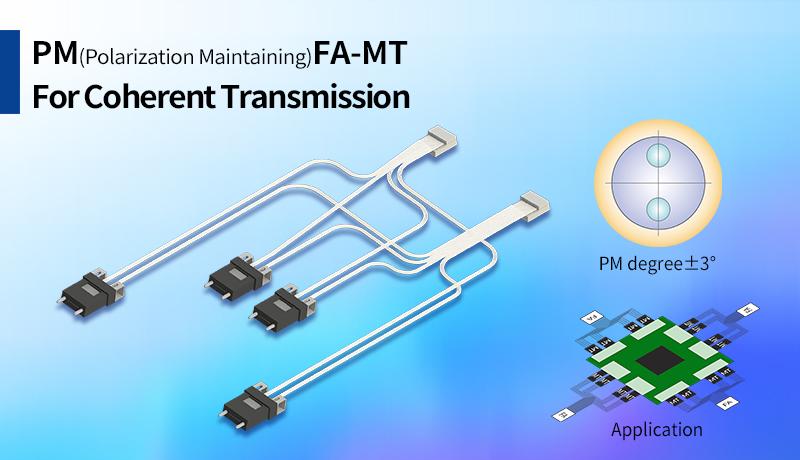
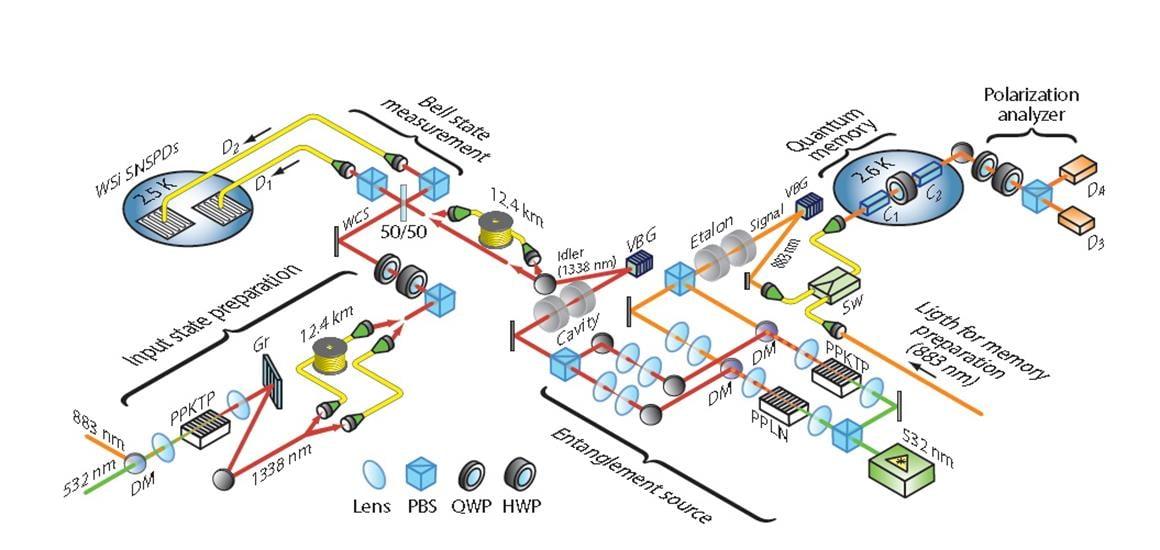
Fiber Optic Gyroscopes (FOG)
Fiber optic gyroscopes are widely used in:
- Aerospace navigation
- Inertial navigation systems
- Autonomous vehicles
- Marine navigation
FOG systems measure rotation based on the interference effect of polarized light traveling through optical fiber.
Any change in polarization state may influence:
- Angular accuracy
- Measurement stability
- Navigation precision
PM fiber connectors help maintain polarization consistency inside the sensing loop.
Fiberlink provides PM optical connection solutions for applications requiring high stability and precision.
Interferometric Sensors
Interferometric measurement systems depend on phase accuracy.
Applications include:
- Industrial measurement
- Structural monitoring
- Precision instruments
Polarization changes may introduce:
- Phase noise
- Signal fluctuation
- Measurement uncertainty
PM connectors provide stable polarization coupling between optical components.
Coherent Communication Systems
Modern coherent optical communication uses polarization information to improve transmission capacity.
Applications include:
- High-speed optical networks
- Optical signal processing
- Laboratory research platforms
Stable polarization management is important for:
- Signal processing
- Receiver performance
- System calibration
Fiber Lasers and Optical Amplifiers
Fiber lasers often require controlled polarization output.
Applications include:
- Industrial laser systems
- Precision processing equipment
- Research lasers
PM connectors help maintain:
- Polarization stability
- Beam quality
- Optical repeatability
Quantum Optics Systems
Quantum optical systems require extremely precise control of photon polarization.
Applications include:
- Quantum communication
- Quantum measurement
- Photonic experiments
Small polarization changes can influence experimental accuracy.
PM fiber solutions provide stable polarization transmission.
4. Key Factors When Selecting a PM Fiber Connector
Choosing a PM connector is different from selecting a standard fiber connector.
Engineers need to evaluate several parameters.
Fiber Type Selection
PM fiber comes in different structures depending on application requirements.
Common PM fiber designs include:
Panda Fiber
Panda fiber uses stress rods placed beside the fiber core to create birefringence.
Applications:
- Communication systems
- Fiber sensors
- General PM applications
Bow-Tie Fiber
Bow-tie fiber uses stress elements with a bow-tie shape.
Applications:
- Precision sensing
- High-performance optical systems
Elliptical Core Fiber
The elliptical core design creates polarization-maintaining characteristics through geometric asymmetry.
The correct fiber type depends on:
- Operating wavelength
- Polarization requirement
- Environmental condition
- System design
Operating Wavelength
PM fiber connectors must match the working wavelength of the optical system.
Common wavelength ranges include:
|
Wavelength |
Typical Applications |
|
488/633nm |
Optical measurement |
|
780/850nm |
Sensors and communication |
|
980nm |
Fiber lasers and optical amplifiers |
|
1064nm |
Laser systems |
|
1310nm |
Communication systems |
|
1550nm |
Telecom and sensing |
Selecting an unsuitable wavelength fiber may result in:
- Reduced polarization performance
- Higher optical loss
- Poor system stability
Polarization Extinction Ratio (PER)
PER is one of the most important specifications for PM connectors.
It describes how effectively the connector maintains the intended polarization state.
A higher PER indicates:
- Better polarization preservation
- Lower cross-axis coupling
- Improved system stability
However, PER depends on the complete assembly:
- Fiber quality
- Connector alignment
- Polishing accuracy
- Measurement method
Fiberlink evaluates PM connector performance through controlled testing procedures to ensure consistency.
Connector Key Alignment Accuracy
The biggest difference between PM connectors and ordinary connectors is axis alignment.
The connector key defines the angular position between:
- Fiber polarization axis
- Connector housing
Common PM connector structures use keyed FC connectors because FC provides mechanical orientation control.
The slow axis is commonly aligned with the connector key.
Poor alignment may reduce polarization extinction ratio.
Connector Type Selection
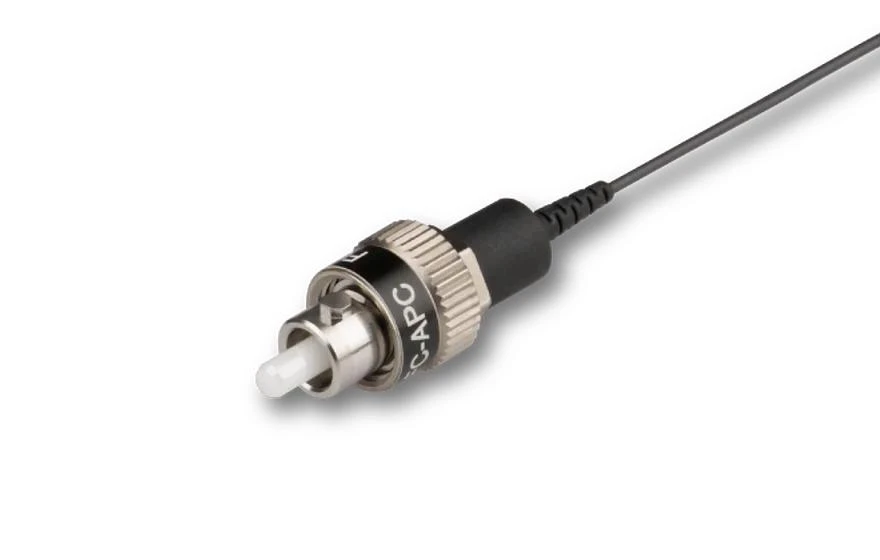
FC/APC PM Connector
The most commonly used PM connector type.
Advantages:
- Excellent mechanical stability
- Low back reflection
- High precision axis alignment
Applications:
- Laboratories
- Sensors
- Fiber lasers
- Optical instruments
FC/PC PM Connector
Used when:
- Lower reflection requirements
- Cost-sensitive applications
SC/APC PM Connector
Advantages:
- Push-pull operation
- Easy installation
- Used in:
- Optical systems requiring compact connection
LC/APC PM Connector
Suitable for:
- Space-limited equipment
- Compact optical modules
5. PM Connector Manufacturing Challenges
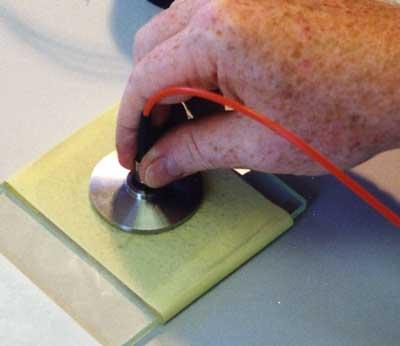
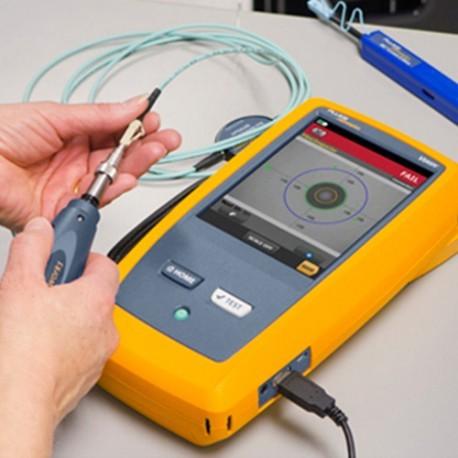
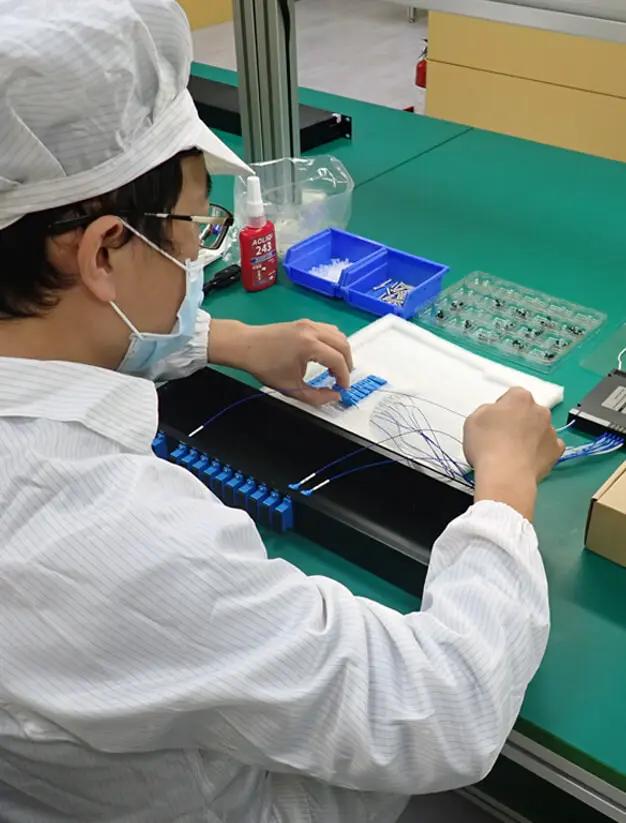
Manufacturing PM connectors requires higher precision than standard connectors.
The main challenges include:
Fiber Axis Alignment
The connector must maintain accurate alignment between:
- Fiber core
- Polarization axis
- Connector key
Even a small angular deviation can affect polarization performance.
Precision Polishing
The fiber end face requires:
- High surface quality
- Accurate geometry
- Low contamination
Especially for laser and sensing applications, polishing quality directly influences optical performance.
Assembly Consistency
Each connector must maintain:
- Repeatable alignment
- Stable insertion loss
- Consistent PER performance
6. PM Fiber Connector Selection Guide by Application
|
Application |
Recommended PM Connector Characteristics |
|
Fiber Optic Gyroscope |
High PER, precise axis alignment |
|
Aerospace Navigation |
High reliability, vibration resistance |
|
Fiber Laser |
Stable polarization, low reflection |
|
Quantum Optics |
Ultra-high polarization accuracy |
|
Optical Sensors |
Long-term stability |
|
Research Equipment |
Precision FC/APC connection |
7. Fiberlink PM Fiber Connector Solutions
Fiberlink Optoelectronic provides customized PM fiber connector solutions for customers requiring precise polarization control.
Our solutions include:
Polarization Maintaining Fiber Connectors
Features:
- High precision axis alignment
- Low insertion loss
- Stable polarization performance
Applications:
- Fiber gyroscopes
- Sensors
- Optical instruments
Customized PM Fiber Assemblies
Fiberlink supports customization of:
- Fiber type
- Connector type
- Cable length
- Axis orientation
Precision Optical Interconnection Solutions
For customers requiring integration with:
- Optical modules
- Sensors
- Laser systems
- Navigation equipment
Fiberlink provides engineering support from design verification to mass production.
8. Fiberlink Quality Control Process
PM connectors require strict manufacturing control.
Fiberlink applies quality inspection throughout production.
Incoming Material Inspection
Checking:
- Fiber quality
- Connector components
- Ferrule materials
Precision Assembly
Including:
- Fiber positioning
- Axis alignment
- Connector assembly
Optical Testing
Including:
- Insertion loss testing
- Return loss testing
- Polarization performance testing
Final Inspection
Ensuring:
- Mechanical reliability
- Optical consistency
- Product traceability
9. How to Choose a PM Fiber Connector Supplier?
Before selecting a supplier, consider:
Technical Capability
Does the supplier understand:
- PM fiber characteristics?
- Polarization alignment?
- Optical testing?
Customization Ability
Can they provide:
- Special fiber types?
- Customized axis orientation?
- Non-standard connector structures?
Quality Control Capability
Does the manufacturer have:
- Precision assembly capability?
- Optical testing equipment?
- Process control?
Frequently Asked Questions
What is the difference between a PM fiber connector and a standard fiber connector?
A PM fiber connector maintains the polarization orientation of transmitted light, while standard connectors only provide optical connection.
Why is FC/APC commonly used for PM fiber connectors?
FC/APC provides stable mechanical positioning and lower optical reflection, making it suitable for polarization-sensitive applications.
What applications require PM fiber connectors?
Common applications include:
Fiber optic gyroscopes
Fiber lasers
Optical sensors
Quantum optics
Coherent communication
Can Fiberlink customize PM fiber connectors?
Yes. Fiberlink provides customized PM fiber connector assemblies based on wavelength, fiber type, connector interface and polarization requirements.