The Manufacturing Process of Optical Fibers
Feb 02, 2024
Optical fibers are crucial components in modern telecommunications, data transmission, and sensing systems, enabling the high-speed and efficient transmission of data over long distances. The manufacturing process of optical fibers involves several intricate steps to produce fibers with precise dimensions, low loss, and high reliability. This article explores the detailed manufacturing process of optical fibers, from the initial raw materials to the finished fiber products.
1. Raw Materials:
The manufacturing process of optical fibers begins with carefully selected raw materials. The primary components include high-purity silica sand, dopants such as germanium dioxide and phosphorus pentoxide, and various chemicals for cladding materials and coatings.
2. Melting and Preform Formation:
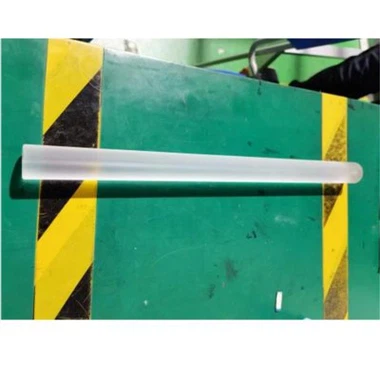
The first step in the manufacturing process is to melt the raw materials in a high-temperature furnace, typically using the modified chemical vapor deposition (MCVD) or vapor axial deposition (VAD) method. This process forms a glass preform, which serves as the starting material for the optical fiber.
3. Fiber Drawing:
Once the preform is formed, it undergoes the fiber drawing process. The preform is heated in a drawing tower, and a thin fiber is drawn from the molten material using controlled tension and speed. This process elongates the fiber while maintaining its core-cladding structure and precise dimensions.
4. Coating Application:
After the fiber is drawn, it undergoes a coating application process to protect the fragile glass core. A layer of polymer coating is applied to the fiber using various techniques such as extrusion or UV curing. This coating provides mechanical strength, environmental protection, and flexibility to the fiber.
5. Fiber Testing:
Throughout the manufacturing process, optical fibers undergo rigorous testing to ensure quality and performance. Various tests are conducted, including optical loss measurements, geometric measurements of core and cladding dimensions, tensile strength tests, and environmental tests to assess resistance to temperature and humidity.
6. Secondary Coating and Buffering:
In some applications, optical fibers require additional protection beyond the primary polymer coating. Secondary coatings, such as acrylate or polyimide, are applied to further enhance mechanical durability and resistance to external factors. Buffering materials, such as aramid yarn or fiberglass, may also be added for additional strength.
7. Fiber Spooling and Packaging:
Once the optical fibers are manufactured and tested, they are spooled onto reels or spindles for convenient storage and transportation. Fiber spooling is performed carefully to prevent damage or kinking of the fibers. The spooled fibers are then packaged into protective containers or enclosures for shipment to customers or integration into optical communication systems.
Conclusion:
The manufacturing process of optical fibers is a complex and highly controlled process that involves several critical steps to produce fibers with precise dimensions, low loss, and high reliability. By understanding the detailed process involved in manufacturing optical fibers, engineers and designers can ensure the quality and performance of optical communication systems, enabling efficient data transmission over long distances.